
or anything similar.
Home-Based Functional Fitness: Build Strength & Mobility Anytime, Anywhere
Did you know that research shows that consistent strength training without gym significantly reduces the risk of chronic diseases like diabetes and heart disease? But what if you're short on time, resources, or simply prefer the comfort of your own home? The good news is you can achieve incredible results with home-based functional fitness. This guide will show you how to build strength and mobility anytime, anywhere, making fitness accessible and enjoyable for everyone. Forget expensive gym memberships; we're diving into a powerful approach to fitness you can do right in your living room, focusing on functional movements that improve your everyday life. This approach also increases Low-impact functional fitness for energy and flexibility .
Why This Workout Matters
Functional fitness is all about training your muscles to work together and prepare them for daily tasks by simulating common movements you might do at home, at work, or in sports. By focusing on compound exercises – movements that engage multiple muscle groups simultaneously – you build strength, improve balance, and enhance coordination.
Think about lifting groceries, bending down to pick something up, or reaching for an object on a high shelf. Functional fitness trains your body for these real-world scenarios, making you more resilient and less prone to injuries. According to a study published in the Journal of Strength and Conditioning Research, functional training significantly improves physical performance, especially in older adults. Beyond physical benefits, functional fitness can also boost your mental wellbeing. The sense of accomplishment from mastering new movements and feeling stronger contributes to increased confidence and self-esteem.
List of Exercises
Here are some foundational exercises you can incorporate into your home-based functional fitness routine:
Bodyweight Squats
Description: Stand with your feet shoulder-width apart, toes slightly pointed out. Lower your hips as if you're sitting in a chair, keeping your back straight and chest up. Engage your core throughout the movement.
Muscle Groups Targeted: Quadriceps, hamstrings, glutes, core.
Modifications: For beginners, try squatting to a chair for support. For a more challenging option, add a jump at the top of the squat.
Push-Ups
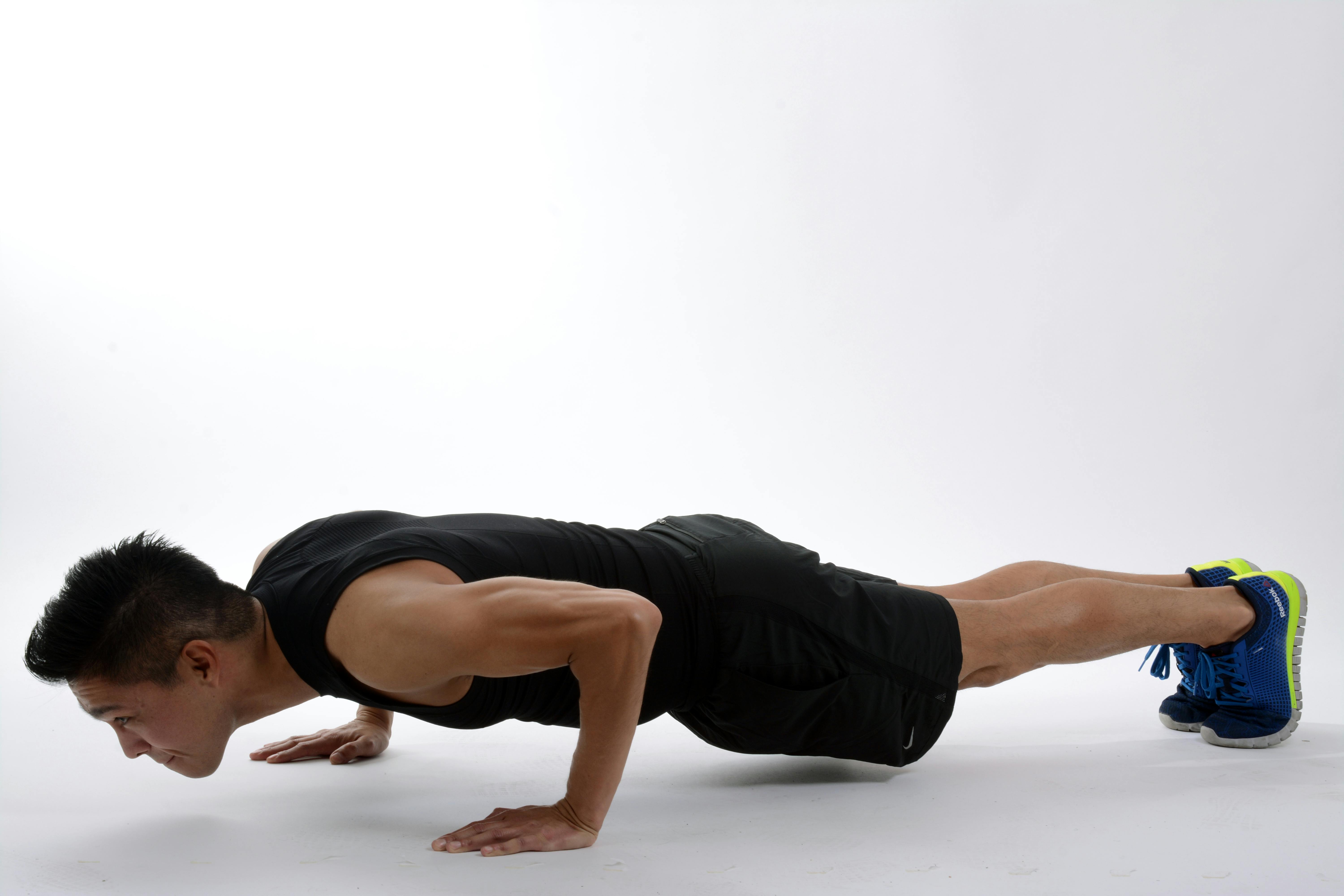
Description: Start in a plank position with your hands slightly wider than shoulder-width apart. Lower your body until your chest nearly touches the floor, keeping your core engaged and your body in a straight line. Push back up to the starting position.
Muscle Groups Targeted: Chest, shoulders, triceps, core.
Modifications: If full push-ups are too difficult, try performing them on your knees or against a wall.
Lunges
Description: Step forward with one leg, lowering your body until both knees are bent at a 90-degree angle. Keep your front knee aligned over your ankle and your back knee hovering just above the floor. Push back up to the starting position and repeat on the other leg.
Muscle Groups Targeted: Quadriceps, hamstrings, glutes, calves.
Modifications: If you have knee pain, try shortening your stride. For a more challenging option, add dumbbells or perform walking lunges.
Plank
Description: Start in a plank position with your forearms on the ground and your body in a straight line from head to heels. Engage your core and hold this position for as long as you can maintain good form.
Muscle Groups Targeted: Core, shoulders, back.
Modifications: To make it easier, perform the plank on your knees. To make it more challenging, try lifting one leg or arm at a time.
Glute Bridges
Description: Lie on your back with your knees bent and feet flat on the floor. Squeeze your glutes and lift your hips off the floor until your body forms a straight line from your shoulders to your knees. Hold for a second, then slowly lower back down.
Muscle Groups Targeted: Glutes, hamstrings, core.
Modifications: For a more challenging option, perform the glute bridge with one leg raised.
Common Mistakes to Avoid
- Poor Form: Prioritize quality over quantity. Incorrect form can lead to injuries. Watch videos, use a mirror, or ask a fitness professional for guidance.
- Ignoring Warm-up: Jumping straight into intense exercises without warming up your muscles increases the risk of strains and sprains. Always start with dynamic stretches like arm circles, leg swings, and torso twists.
- Overtraining: Give your body time to recover. Rest days are crucial for muscle growth and repair. Aim for 2-3 non-consecutive days of strength training without gym per week.
- Neglecting Core Engagement: Your core is the foundation of many functional movements. Actively engage your core muscles throughout each exercise to protect your spine and improve stability.
- Holding Your Breath: Remember to breathe! Exhale during the exertion phase of an exercise and inhale during the recovery phase. Holding your breath can increase blood pressure and reduce oxygen flow to your muscles.
Tips for Success
- Start Slowly: Begin with a manageable number of repetitions and sets. Gradually increase the intensity and duration as you get stronger.
- Listen to Your Body: Pay attention to any pain or discomfort. Stop if you feel sharp or persistent pain.
- Stay Hydrated: Drink plenty of water before, during, and after your workouts.
- Use Proper Footwear: Wear supportive athletic shoes to protect your feet and ankles.
- Create a Routine: Schedule your workouts like you would any other important appointment. Consistency is key to seeing results.
- Consider using a fitness app or a video to help you keep track of your progress.
Healthy Lifestyle Integration
These exercises can easily be integrated into a weekly routine. Aim for 2-3 sessions per week, allowing for rest days in between. Beyond fitness, these exercises can support broader wellness goals. For example, increasing your Low-impact functional fitness for energy and flexibility through these exercises can contribute to healthier weight management, improved mood, and reduced stress levels. Combine these exercises with a balanced diet and sufficient sleep to maximize the benefits.
Conclusion
Home-based functional fitness is a powerful tool for building strength, improving mobility, and enhancing your overall well-being. By incorporating these exercises into your daily routine, you can achieve incredible results without ever stepping foot in a gym. So, ditch the excuses, embrace the convenience of at-home workouts, and start building a stronger, healthier you today! Share this post with your friends and family and encourage them to join you on your fitness journey! Looking for more structured workout plans? Check out other related workouts on our blog!
FAQs
Do I need equipment?
No, most of these exercises can be done with just your body weight. As you progress, you can add resistance bands, dumbbells, or other equipment to increase the challenge.
How often should I do these exercises?
Aim for 2-3 non-consecutive days of strength training per week, allowing for rest and recovery in between sessions.
How many repetitions and sets should I do?
Start with 2-3 sets of 10-12 repetitions for each exercise. As you get stronger, you can increase the number of sets, repetitions, or the resistance.
What if I have an existing injury?
Consult with your doctor or a physical therapist before starting any new exercise program, especially if you have an existing injury. They can help you modify the exercises to suit your specific needs and limitations.
How long will it take to see results?
The timeframe for seeing results varies depending on individual factors such as fitness level, diet, and consistency. However, with consistent effort, you should start noticing improvements in your strength, mobility, and energy levels within a few weeks.

Comments
Post a Comment